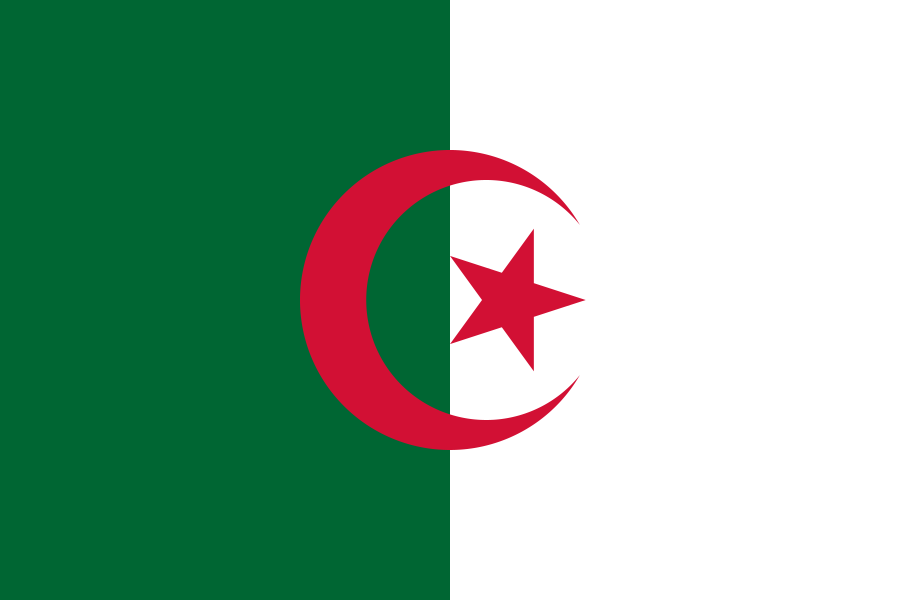
Algeria
History
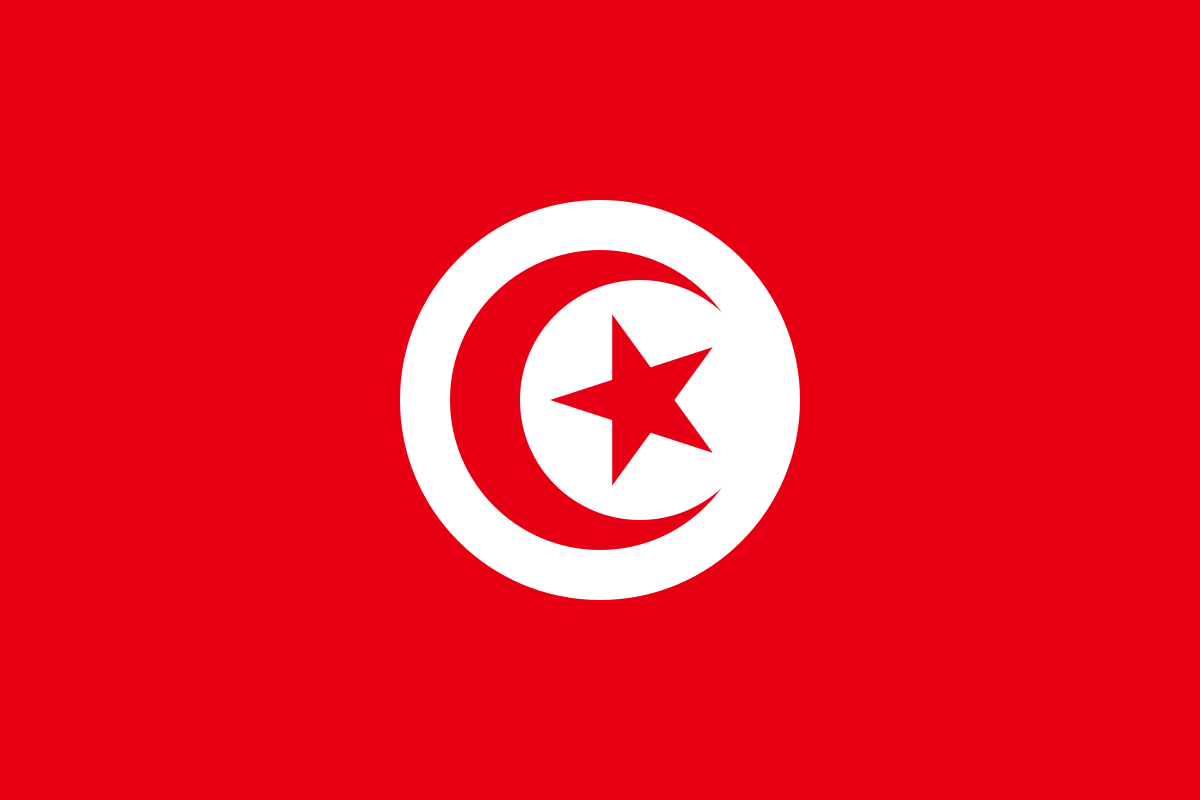
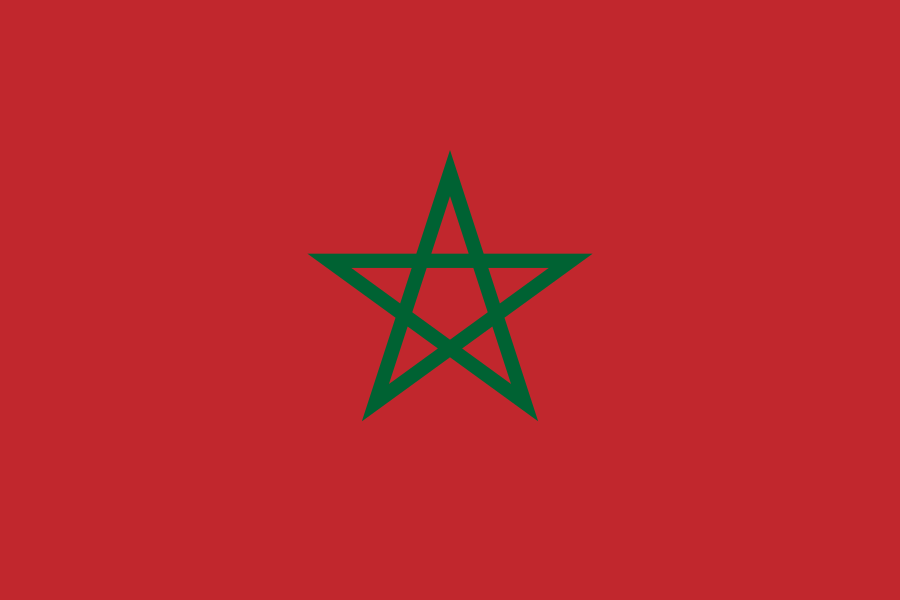
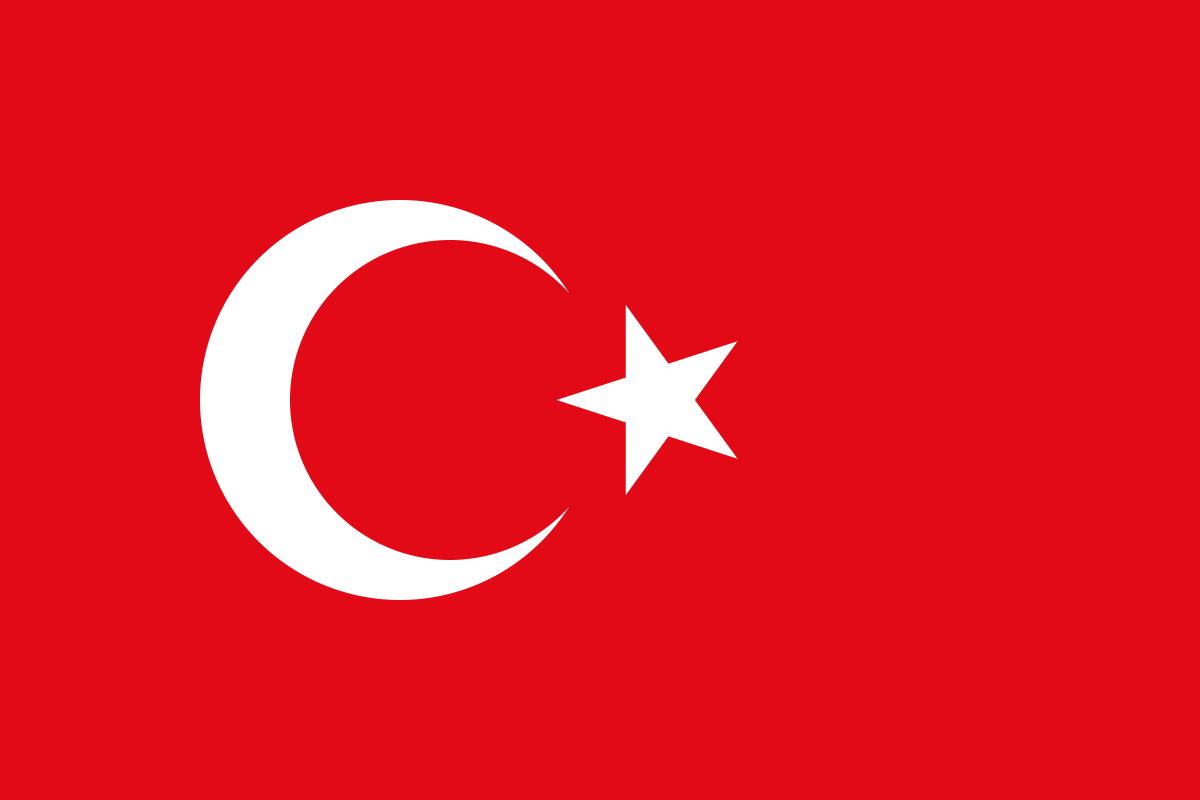
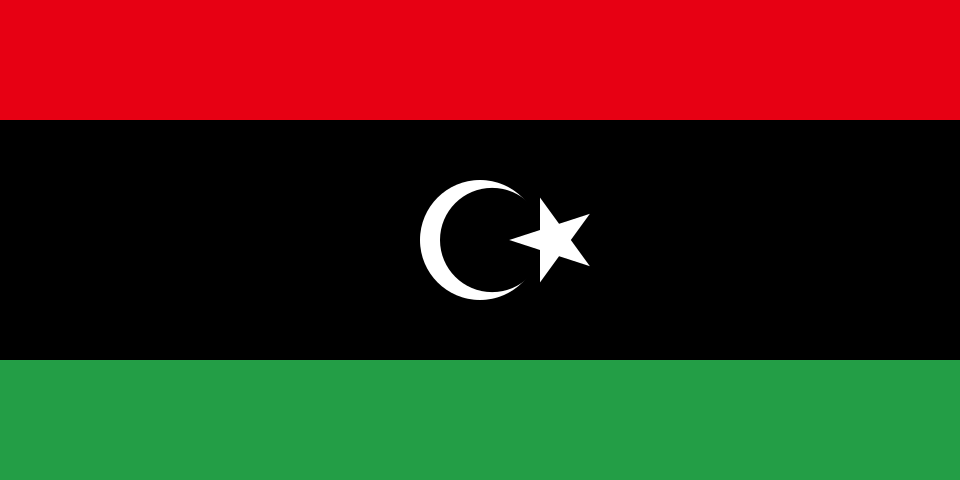
Algeria, officially the People's Democratic Republic of Algeria, is a country in the Maghreb region of North Africa. Spanning over 2,381,741 square kilometres (919,595 sq mi), it is the largest country in Africa and the tenth largest in the world. It is bordered to the northeast by Tunisia; to the east by Libya; to the southeast by Niger; to the southwest by Mali, Mauritania, and Western Sahara; to the west by Morocco; and to the north by the Mediterranean Sea. With a population of over 47 million, Algeria is the tenth-most populous country in Africa. Its capital and largest city is Algiers. Algeria has been at the crossroads of numerous cultures and civilisations for millennia, including the Phoenicians, Numidians, Romans, Vandals, and Byzantine Greeks. Its modern identity is rooted in centuries of Arab Muslim migration since the seventh century and the subsequent Arabisation of indigenous Berber populations. Following a succession of Islamic Arab and Berber dynasties between the eighth and 15th centuries, the Regency of Algiers was established in 1516 as a largely independent tributary state of the Ottoman Empire. After nearly three centuries as a major power in the Mediterranean... Summary adapted from the English Wikipedia (CC BY-SA 4.0). The live article includes citations, maps, and updates.