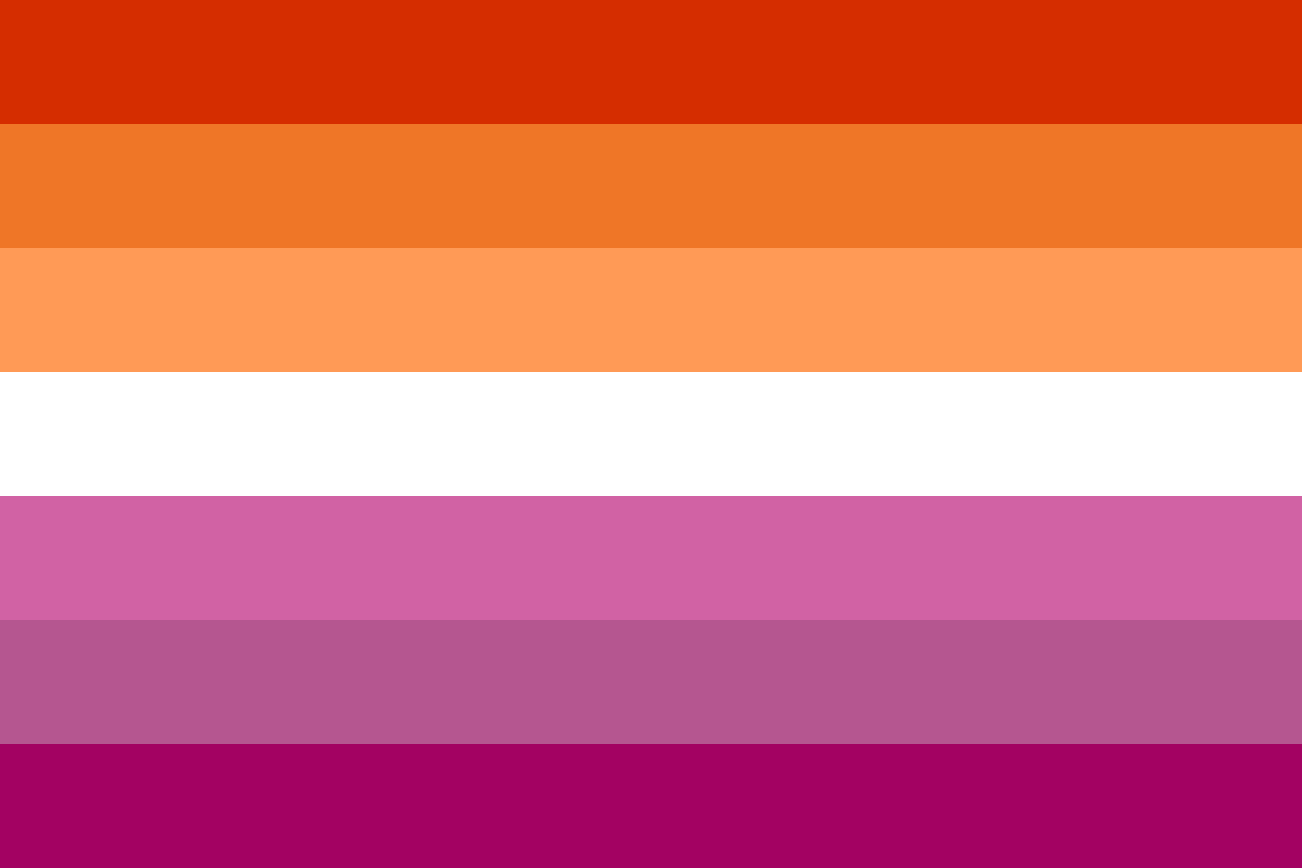
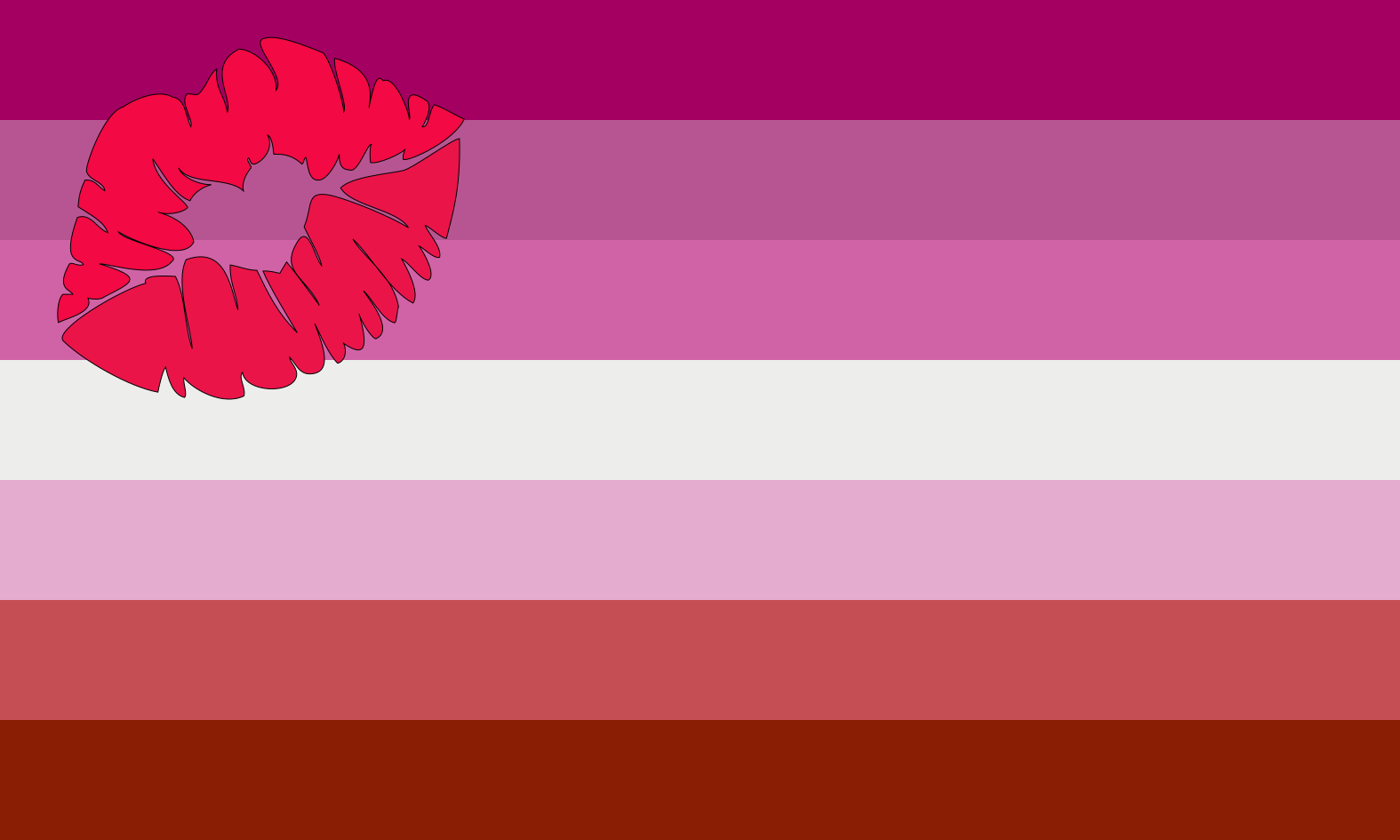
Labrys Lesbian Flag
History
Artist Sean Campbell designed the Labrys Lesbian Flag in 1999, publishing it in the Palm Springs gay magazine 'The Lavender Sisterhood.' The design drew on 1970s lesbian feminist iconography, particularly the labrys symbol that appeared in women's bookstores and on feminist jewellery throughout that decade. The flag predates several other lesbian flag proposals and retains a following among lesbian feminists and older LGBTQ+ communities, though it has been criticised for its origins with a cisgender gay man and for not representing non-feminist or femme lesbians. It remains in use alongside the 2018 flag, particularly in contexts tied to lesbian feminist history.
Colors
purple, black, white
Purple is drawn from lavender symbolism in lesbian culture; black and white form the inverted triangle, a reclaimed symbol of persecution.
Symbols
labrys double-headed axe on inverted black triangle
The labrys is an ancient Minoan symbol associated with matriarchal societies; it was adopted by lesbian feminists in the 1970s as a symbol of strength and self-sufficiency. The inverted triangle reclaims a badge used to mark gay men in Nazi concentration camps.